Accounts differ regarding the construction of a later, more monumental church intended to house the saint’s relics. The translation of the relics is generally dated to 1011, and the erection of the new Katholikon (main church) is believed to have taken place during the abbacy of Philotheos. By 1014, the monastery was flourishing and owned dependencies (metochia) in Euboea, Antikyra, and Agios Nikolaos at Kambia of Boeotia. Owing to its monumental architecture and rich decoration, the monastery is thought to have enjoyed imperial patronage, most likely during the reign of Constantine IX Monomachos, a period associated with a broader revival of the arts in Byzantium.
After 1204, during Frankish rule, Latin monks settled in the monastery, while under Ottoman rule it returned to Greek hands.
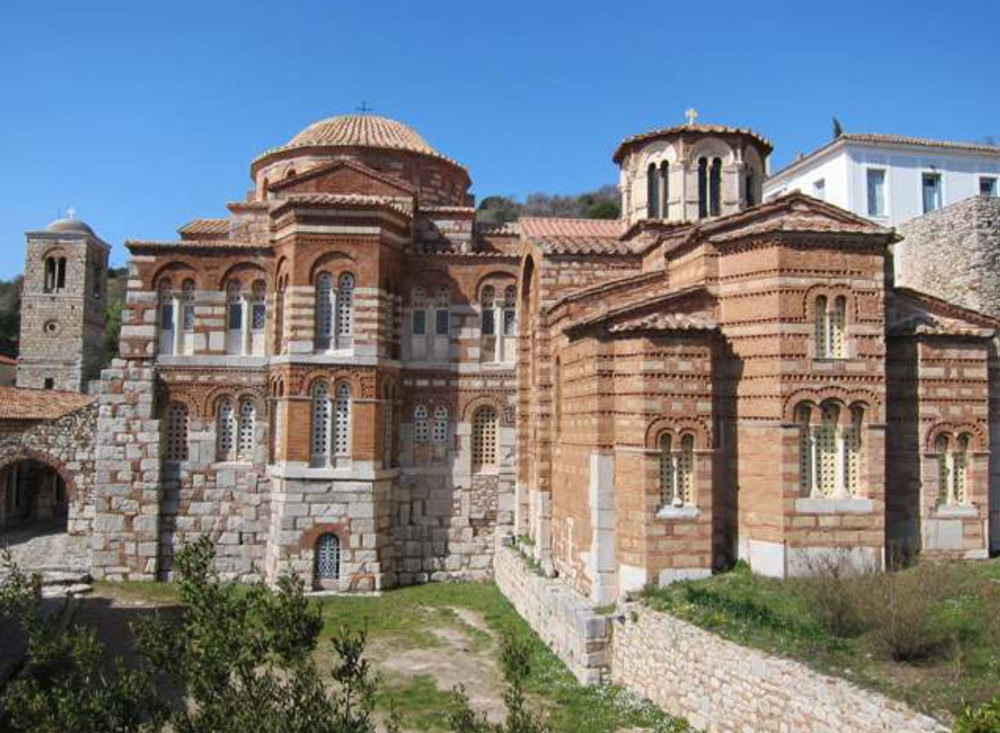
The Church of the Virgin Mary, the older of the two main churches, is the only church in mainland Greece known to have been built in the 10th century.
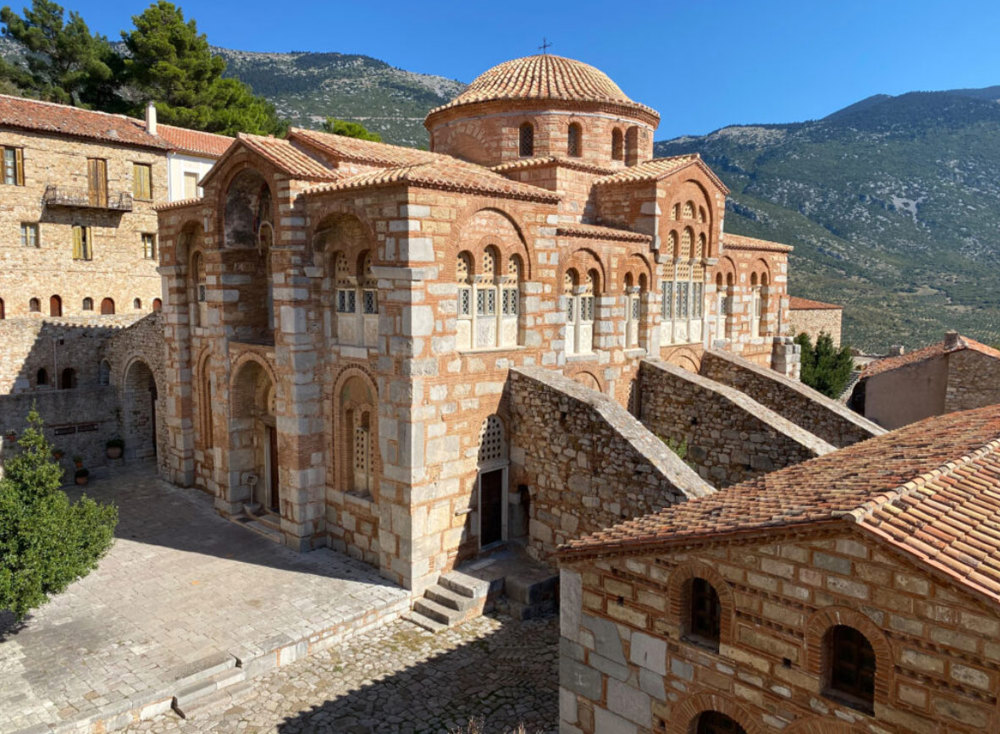
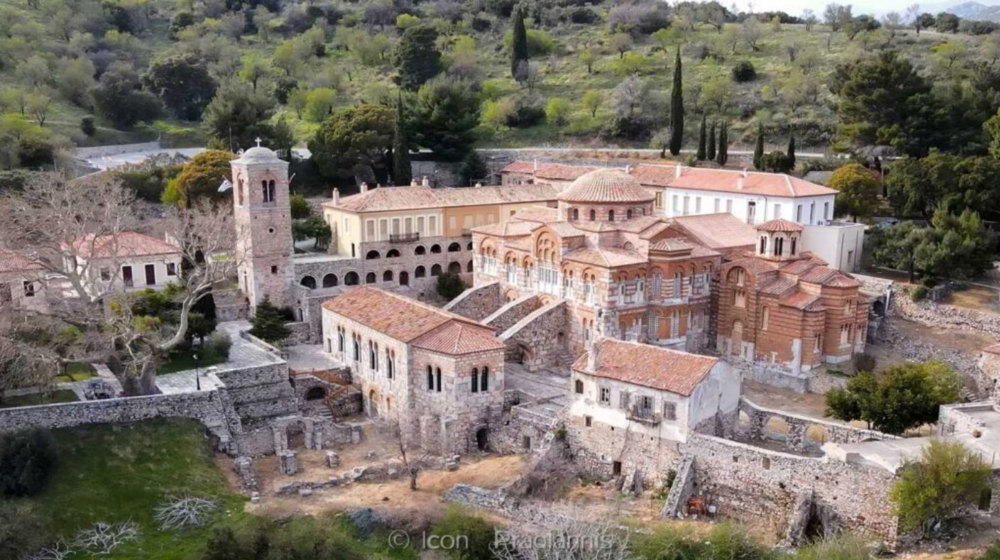
The Katholikon, constructed to house the relics of the saint, is the largest church in the complex and stands south of the Church of the Virgin. It belongs to the octagonal cross-in-square architectural type, in which the dome—approximately 9 meters in diameter—rests on eight piers instead of the usual four. These piers are set closer to the walls, enlarging the central nave. This form, known as the complex octagonal or mainland type, preserves a cruciform arrangement in the vaults, with squinches inserted between them. A defining feature is the ambulatory that surrounds the central space.
Other restored buildings include the stable (vordonareio)—now displaying detached 18th-century frescoes from the Church of Saint Spyridon, a dependency of Hosios Loukas near Steiri—the lamp-lighting room with its distinctive chimney, and the refectory. Since 1993, the refectory has functioned as a museum, presenting architectural elements from different construction phases of the monastery, along with archaeological finds from the surrounding area.
The Monastery of Hosios Loukas stands as a masterpiece of Byzantine spirituality, architecture, and art, and remains one of Greece’s most significant pilgrimage and cultural landmarks.