The local community actively encouraged young people to pursue careers in trade and shipping, founding a Nautical School where distinguished figures such as Efthymios Kavasilas taught. In major European ports—such as Livorno, Odessa, Trieste, Marseille, Nice, and others—many Galaxidian shipping agents were based to coordinate commercial activities. As demand grew, more shipyards were established, and by 1860 the Galaxidian fleet is estimated to have reached 300 ships.
Maritime activity continued to grow steadily until around 1900, when a decline in merchant sailing vessels began. For example, while Galaxidi had 126 sailing ships in 1892, this number had dropped to 92 by 1903. In contrast to the decline of sail-powered commerce, Galaxidian steamships managed to remain active until the 1930s.
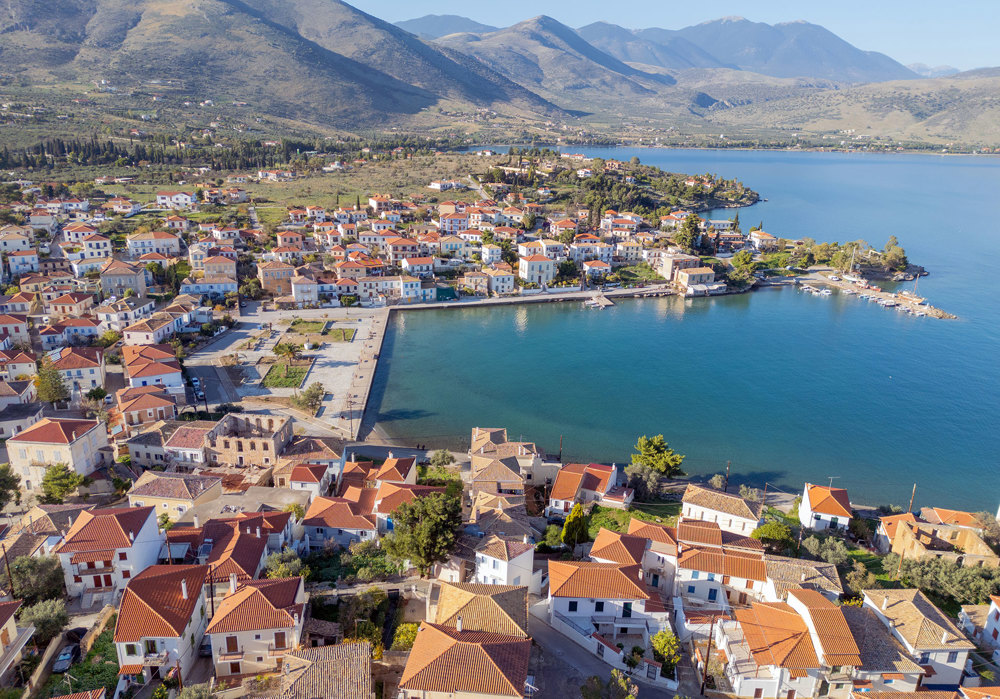
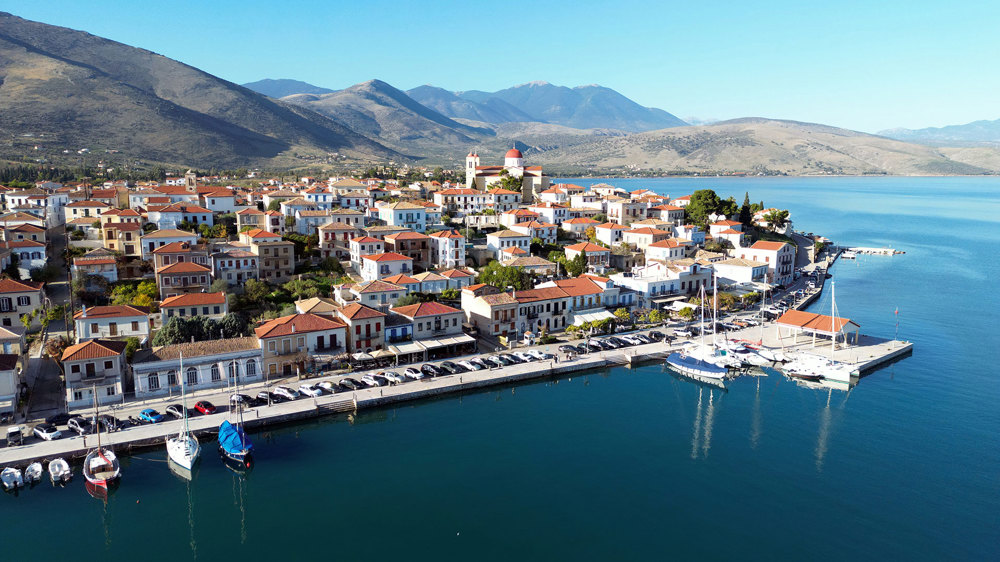
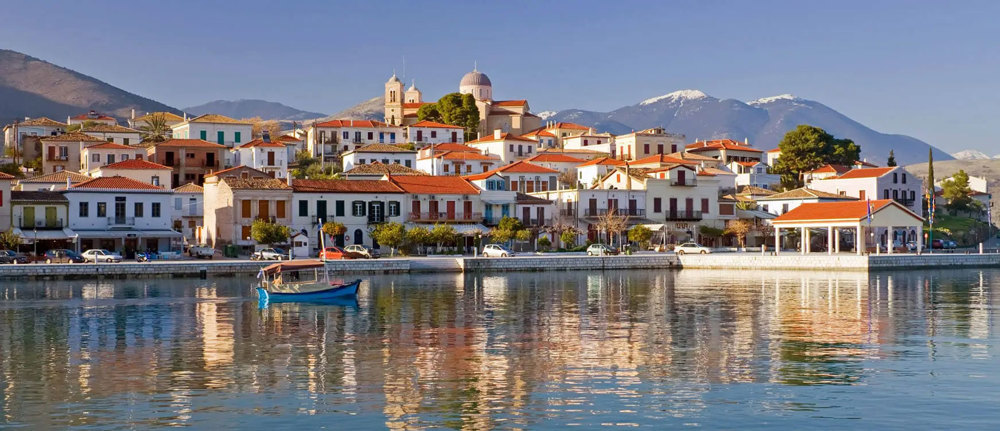
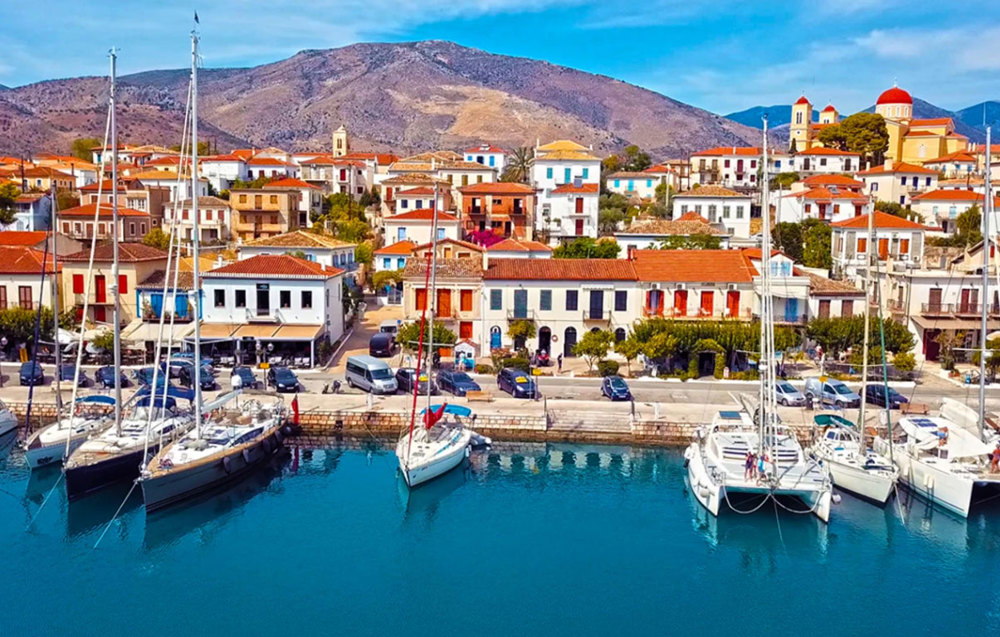
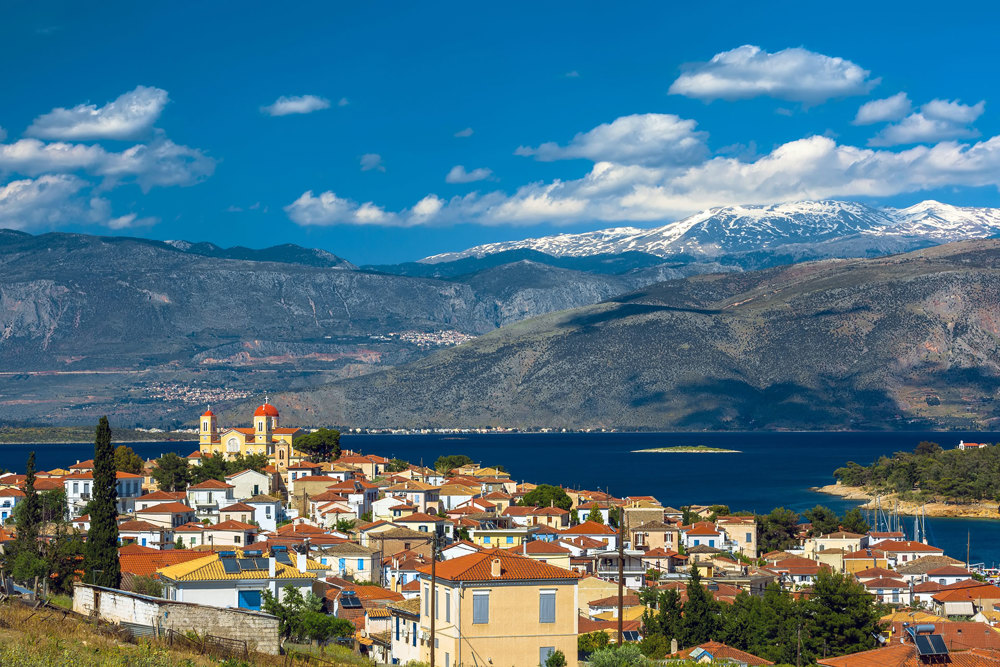
Today, visitors can enjoy Galaxidi’s charm by sampling delicious seafood meze at the traditional fish taverns along the small, picturesque harbor. Notable sights include the Church of Saint Nicholas, renowned for its elaborate carved wooden iconostasis, the Maritime and Ethnological Museum, the old Kapodistrian School, the Girls’ School (Parthenagogio), and the many preserved neoclassical mansions that still grace the town.